MOEDERDAG 💕
5 dingen die slimme afvallers doen om sterk en strak te blijven
Auteur:
Anouk (34)
Leestijd:
5 min
Steeds meer mensen vallen sneller af dan ooit, of dat nu komt door moderne medicatie, een strak voedingsprogramma of intensieve begeleiding. De kilo's gaan eraf, maar de vragen die overblijven zijn anders dan vroeger. Niet "hoe val ik af", maar "hoe blijf ik sterk, en hoe ziet mijn lichaam eruit als ik klaar ben". Dit zijn de vijf dingen die mensen die slim afvallen anders doen.

Tot een paar jaar geleden was afvallen vooral een rekensom. Minder calorieën erin, meer eraf, en de tijd doet de rest.
Vandaag ligt het anders. Door nieuwe medicatie, betere begeleiding en strakkere voedingsprogramma's gaat het bij veel mensen sneller dan ze gewend waren. Mensen halen hun streefgewicht in maanden in plaats van jaren. Mooi nieuws, want gewichtsverlies kan veel gezondheidsvoordelen geven.
Tegelijk merken ze iets nieuws op. Het lichaam doet meer dan alleen vet verliezen. De kracht in de benen verandert, de huid heeft tijd nodig om zich aan te passen, en het ritme in de keuken loopt anders dan eerst. Het is dus geen toeval dat veel afvallers vandaag andere vragen stellen dan tien jaar geleden.
Dit zijn de vijf dingen die ze structureel anders aanpakken.
1. Ze trainen voor kracht, niet voor calorieën
De grootste mentale switch zit in waarom je traint.
Cardio om calorieën weg te branden was lang het standaardplaatje. Bij snel gewichtsverlies werkt dat niet meer zo goed. Het lichaam krijgt dan al een lager voedselaanbod, en alleen cardio daarbovenop maakt dat verschil vooral groter, niet beter.
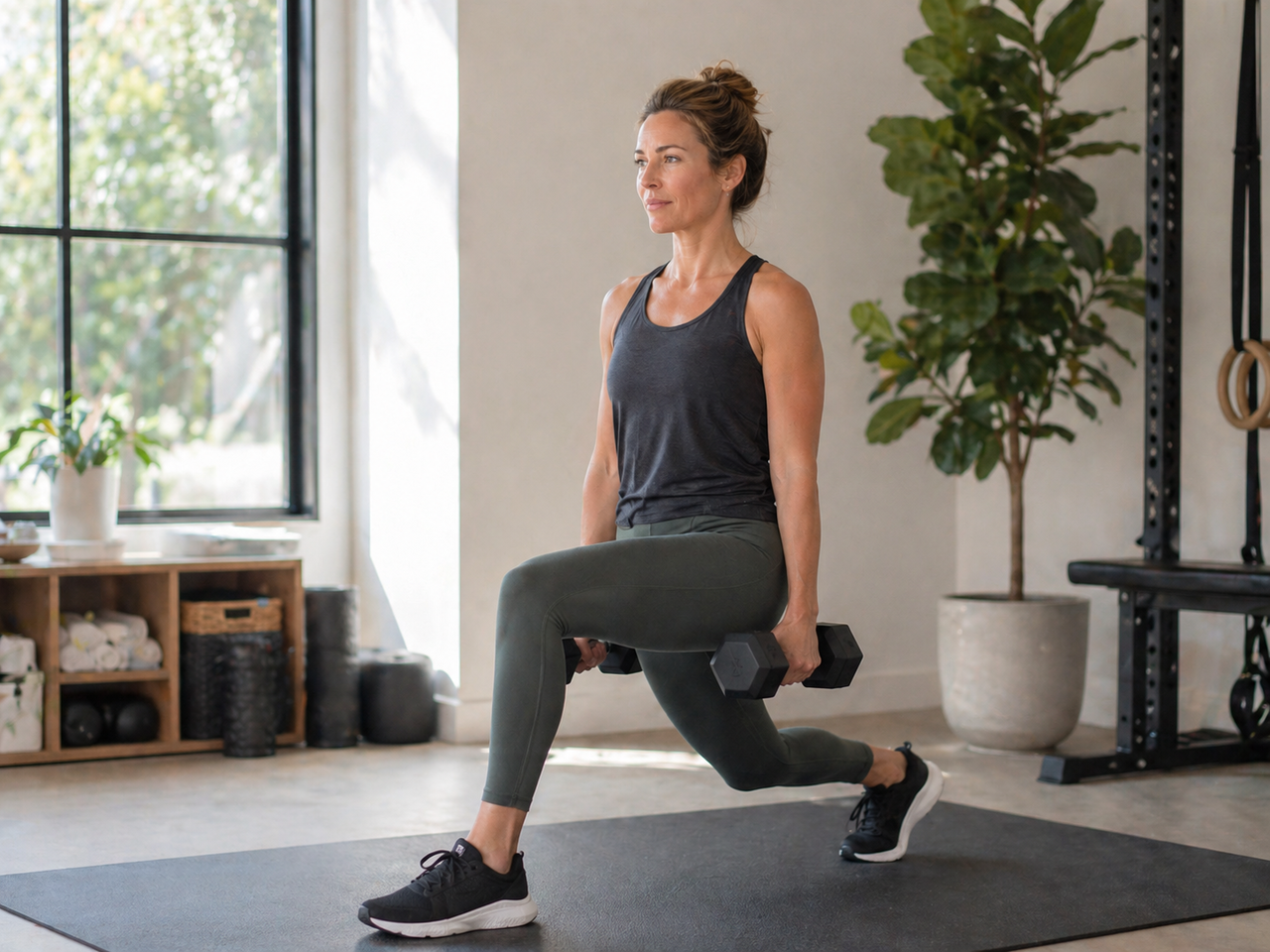
Daarom kiezen slimme afvallers vandaag voor twee tot drie keer per week krachttraining. Squats, lunges, hip thrusts, rijen, drukoefeningen. Bewegingen die spieren prikkelen om zichzelf te onderhouden, ook in een periode waarin de eetlust kleiner is.
Het principe is simpel. Hoe sneller je afvalt, hoe belangrijker het wordt om je lichaam een reden te geven om spieren vast te houden. Krachttraining is die reden. En het effect is niet alleen functioneel. Een lichaam met behouden spiermassa oogt steviger en voelt sterker, zelfs op een lager gewicht.
2. Ze passen hun eiwitinname aan op een kleinere maaltijd
Wie minder eet, eet automatisch minder van alles. Ook van eiwit.
En dat is de stille bottleneck waar veel afvallers tegenaan lopen. De honger neemt af, de portie wordt kleiner, en plotseling zit de eiwitinname op de helft van wat het lichaam zou willen om spiermassa te onderhouden.
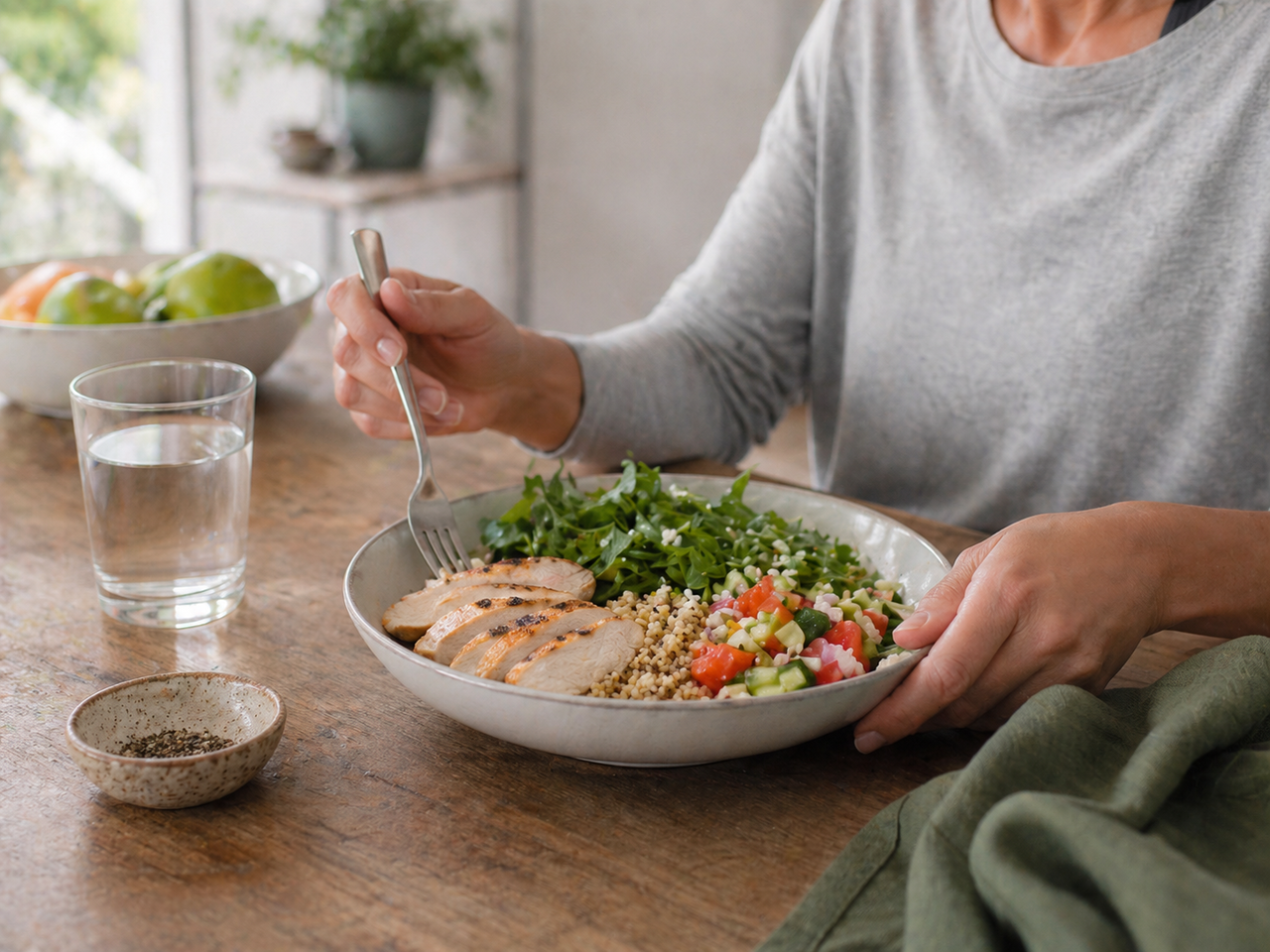
Slimme afvallers letten daarom op iets specifieks: niet hoeveel ze eten, maar wat de eerste hap van elke maaltijd is. Begin met eiwit. Yoghurt of kwark in de ochtend, een handvol kip of vis bij de lunch, peulvruchten of ei bij het avondeten.
Eiwitten zijn bouwstoffen voor spieren en andere weefsels. Ze zorgen er ook voor dat verzadiging langer aanhoudt, wat in een fase met minder eetlust juist prettig is. Een eiwitrijke snack tussendoor, of een extra schep eiwit in een drankje, is een eenvoudige manier om die inname omhoog te halen zonder dat de portie groter wordt.
3. Ze geven hun huid de tijd, en ondersteunen haar van binnenuit
Snel gewichtsverlies is voor de huid een hele klus. Het volume gaat eraf, en de huid heeft tijd nodig om zich aan dat nieuwe lichaam aan te passen.
Dat is normaal. Niemand verliest een fors aantal kilo's zonder dat de huid daar iets van laat zien, los van leeftijd of trainingsritme.
De vraag is dus niet hoe je dat helemaal voorkomt. Die vraag heeft geen eerlijk antwoord. De vraag is hoe je je huid in die fase zo goed mogelijk ondersteunt.
Drie dingen doen daar het meeste aan. Voldoende drinken, zodat de huid hydratatie houdt. Blijven bewegen, zodat de doorbloeding goed blijft. En aandacht voor voedingsstoffen die een rol spelen bij de natuurlijke werking van de huid. Vitamine C is daar een bekende. Vitamine C draagt bij aan de normale collageenvorming voor de normale functie van de huid.* Dat is geen wondermiddel, dat is hoe het lichaam altijd werkt. Het verschil zit in of je je huid in een fase van snelle verandering die bouwstof structureel meegeeft of niet.
4. Ze gebruiken supplementen als slimme extra, niet als wondermiddel
Dit is waar veel mensen de plank misslaan, in beide richtingen.
De ene groep verwacht alles van een supplement en raakt teleurgesteld. De andere groep wantrouwt elk supplement, en mist daardoor eenvoudige bouwstenen die hun routine simpelweg makkelijker maken.
Slimme afvallers zitten ergens daartussen. Ze begrijpen dat een supplement geen vervanging is van medische begeleiding, voldoende eiwit of goede slaap. Ze gebruiken supplementen wel om dingen die ze toch al lastig binnenkrijgen efficiënter in hun routine te schuiven.
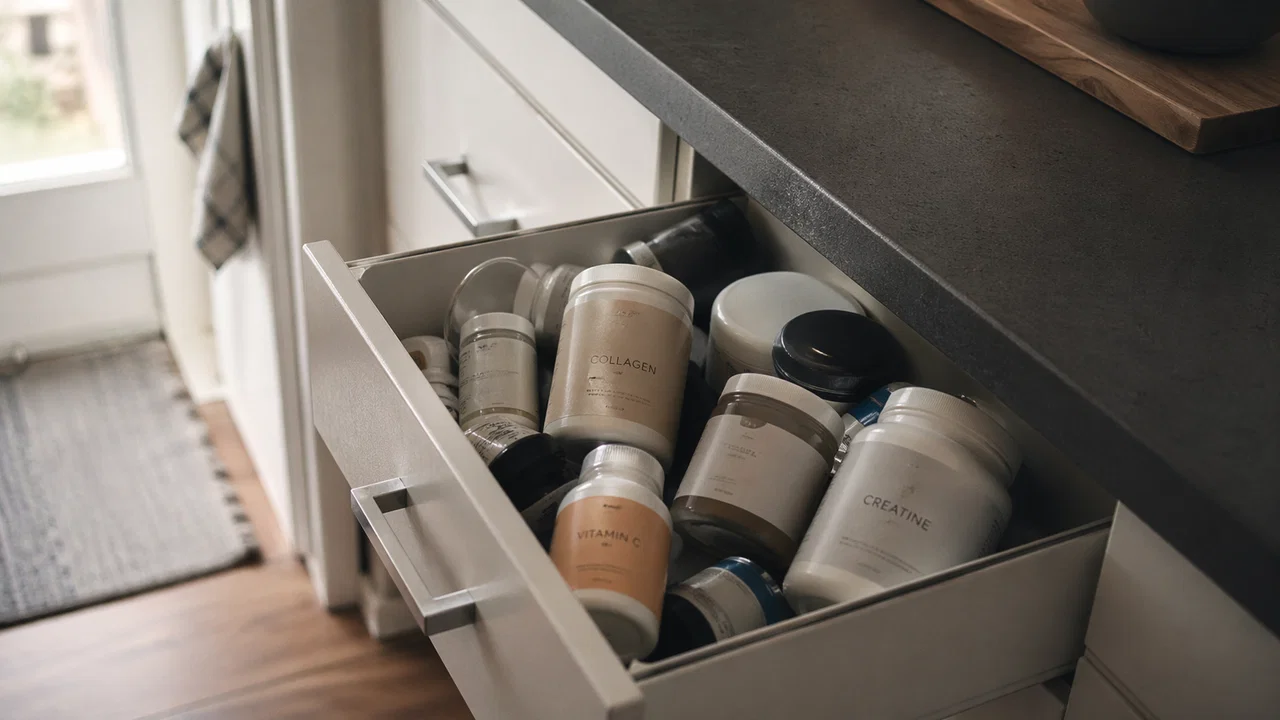
In de praktijk zie je vaak een combinatie van drie ingrediënten terugkomen bij actieve afvallers. Creatine voor de krachttraining, omdat creatine de fysieke prestaties bij korte, intensieve inspanning verhoogt bij een dagelijkse inname van 3 gram.* Collageenpeptiden als bouwstof. En vitamine C, die bijdraagt aan de normale collageenvorming en aan de vermindering van vermoeidheid en moeheid.*
Sommige mensen kiezen daarvoor drie losse potjes, anderen kiezen voor een formule waarin die ingrediënten al gecombineerd zijn. Wat past hangt af van je routine. Maar het principe is hetzelfde: een supplement is een extra bouwsteen, geen oplossing op zichzelf.
5. Ze regelen begeleiding en houden de spiegel eerlijk
Het verschil tussen iemand die snel afvalt en het volhoudt, en iemand bij wie het na zes maanden weer terugkomt, zit zelden in motivatie. Het zit in begeleiding en in eerlijkheid naar zichzelf.
Slimme afvallers praten met hun arts of diëtist niet alleen over het cijfer op de weegschaal. Ze stellen vragen over kracht, over energie, over hoe ze zich willen voelen in hun lichaam over een jaar. Dat klinkt vanzelfsprekend, maar het is precies wat in de hectiek van een snel traject vaak ondergesneeuwd raakt.
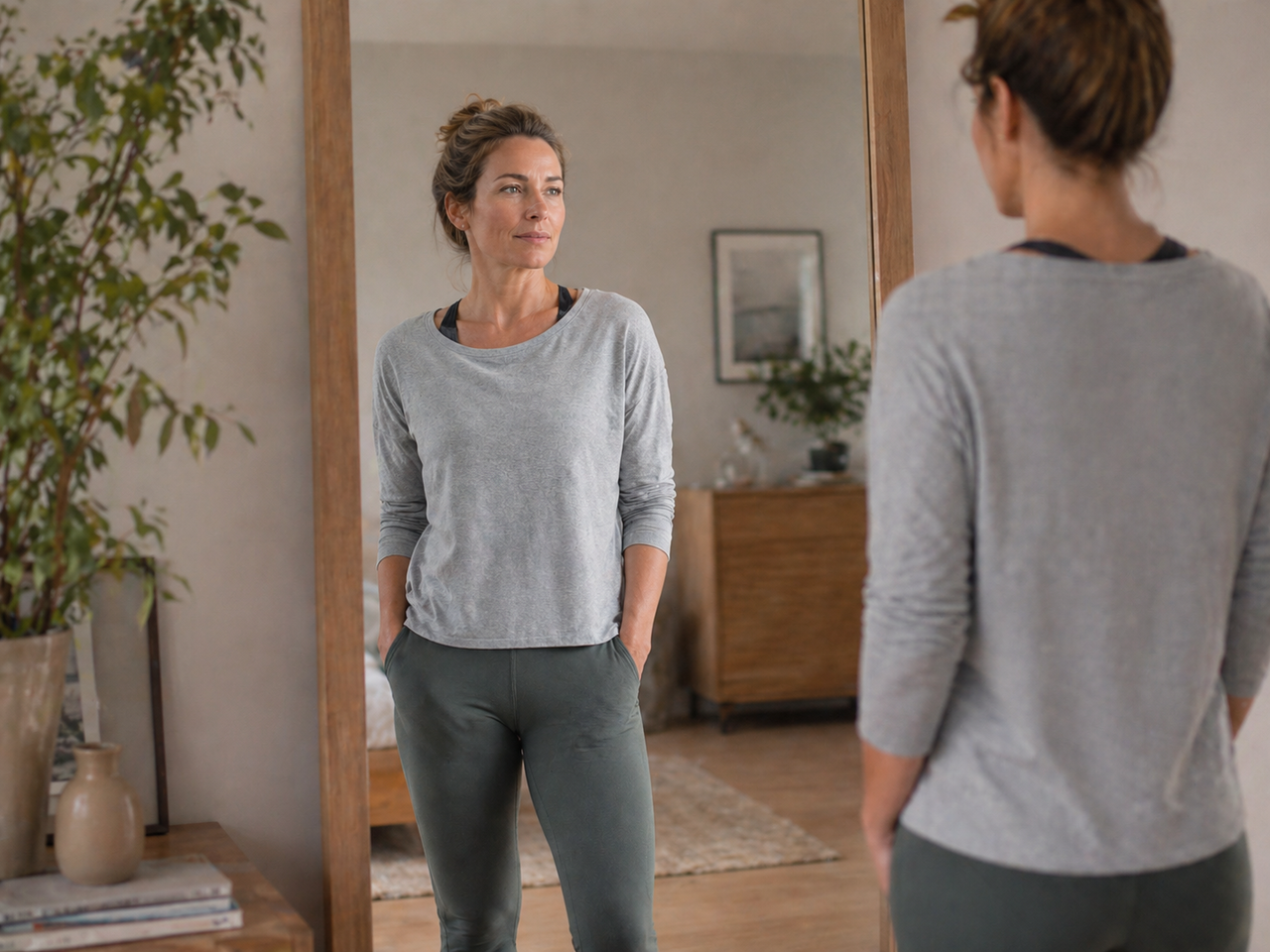
Daar hoort bij dat ze zichzelf eerlijke vragen durven stellen. Eet ik genoeg eiwit, of lieg ik dat een beetje voor mezelf? Train ik echt, of vink ik wandelen af als training? Slaap ik genoeg, of compenseer ik vermoeidheid met cafeïne? Hoe beter je dat soort vragen voor jezelf beantwoordt, hoe makkelijker keuzes worden over voeding, beweging en eventuele supplementen.
Snel afvallen is geen sprint. Het is een fase waarin je je lichaam veel sneller laat veranderen dan het gewend is. En de mensen die daar het beste uit komen, zijn de mensen die niet alleen kijken naar wat eraf gaat, maar ook naar wat ze willen overhouden.
Alles wat je wilt weten over Colleins
Eén scoop per dag is genoeg. Meng het met 300–500 ml koud water en drink het 's ochtends of vóór je workout, wat het beste bij jouw ritme past. Voor een vollere smaak gebruik je iets minder water, voor een lichtere smaak wat meer. Consistentie is belangrijker dan timing: het gaat om je dagelijkse routine.
Absoluut. Hoewel creatine vaak bekendstaat als "sportsupplement", is het ook nuttig voor vrouwen die gewoon actief zijn in hun dagelijks leven. De formule is ontwikkeld om makkelijk vol te houden als onderdeel van een gezonde routine. Vitamine C helpt bij het verminderen van vermoeidheid.
Dat is een veelgehoorde mythe. Colleins bevat 3 gram creatine per scoop, een hoeveelheid die veel wordt gebruikt in onderzoek en dagelijks toepasbaar is. De meeste gebruikers ervaren het als een licht te drinken formule die goed past in hun routine. Drink voldoende water gedurende de dag voor een optimaal resultaat van je ritueel.
Colleins is bedoeld als onderdeel van een dagelijkse routine. De ervaring verschilt per persoon, sommigen merken al snel dat het makkelijker wordt om hun ritme vast te houden, anderen gebruiken het vooral als moment van zelfzorg. Het belangrijkste is om Colleins dagelijks te gebruiken voor een consistente routine.
Ja. Colleins wordt geproduceerd in Nederland onder strenge Europese kwaliteitsnormen (GMP & HACCP). De ingrediënten, collageen, creatine en vitamine C, zijn allemaal veilig bij dagelijks gebruik in de aangegeven dosering.
Ja, dat kan prima. Colleins kun je op elk moment nemen dat bij jouw routine past – voor, tijdens of na je ontbijt. Je kunt het ook afwisselen met koffie of thee. Sommige vrouwen drinken het als eerste op de nuchtere maag, anderen combineren het met hun ontbijt. Kies wat voor jou het makkelijkst vol te houden is.
Dit is altijd een keuze die je zelf maakt, maar voor een consistente routine raden we aan om Colleins dagelijks te gebruiken, ook op dagen dat je niet sport. Het gaat niet om piekmomenten, maar om regelmaat. Eén scoop per dag, elke dag – zo maak je er een vast ritueel van.
Nee, Colleins bevat geen cafeïne, guarana of andere stimulerende ingrediënten. Je kunt het dus op elk moment van de dag gebruiken zonder dat het invloed heeft op je nachtrust of een opgejaagd gevoel geeft.
We raden aan om tijdens zwangerschap of borstvoeding altijd eerst je arts of verloskundige te raadplegen voordat je een nieuw supplement start. Zij kunnen beoordelen of Colleins past bij jouw persoonlijke situatie.
Colleins heeft een Pink Lemonade-smaak: fris, licht zoet, met een subtiele citrus- en bessentoets. Het is bewust niet te zoet en niet "chemisch". De meeste vrouwen omschrijven het als verfrissend en makkelijk te drinken – ook dagelijks. Tip: gebruik meer water (400–500 ml) voor een lichtere smaak, of minder (300 ml) voor een vollere smaak.
Ja, je kunt Colleins op elk moment nemen dat bij jou past. 's Ochtends, 's middags of vroeg in de avond – het maakt voor de werking niet uit. Omdat Colleins geen cafeïne of stimulerende stoffen bevat, heeft het geen invloed op je slaap.
Colleins is niet geschikt voor vegetariërs of veganisten, omdat het collageen van runderafkomst bevat. Het is wél lactosevrij en glutenvrij. De formule bevat geen onnodige vulstoffen – alleen collageenpeptiden, creatine monohydraat, vitamine C, natuurlijke aroma's en een kleine hoeveelheid zoetstof (sucralose).
Voor alle andere vragen mag je altijd een mailtje sturen naar support@colleins.com, we helpen je graag verder!
Toegestane claims
*Vitamine C draagt bij aan de normale collageenvorming voor de normale functie van de huid.
*Vitamine C draagt bij aan de vermindering van vermoeidheid en moeheid.
*Vitamine C draagt bij aan de bescherming van cellen tegen oxidatieve stress.
*Creatine verhoogt de fysieke prestaties bij opeenvolgende korte, hoogintensieve inspanningen, bij een dagelijkse inname van 3 gram.
Onderzoek en bronnen
¹ Kreider RB et al. International Society of Sports Nutrition Position Stand: Creatine Supplementation and Exercise. Journal of the International Society of Sports Nutrition, 2017. Link naar onderzoek² Branch JD. Effect of creatine supplementation on exercise performance: A meta analysis. International Journal of Sport Nutrition and Exercise Metabolism. (Let op: het gunstige effect wordt verkregen bij een dagelijkse inname van 3 g creatine). Link naar onderzoek³ Candow DG et al. Creatine supplementation and muscle physiology. Nutrients, 2021. Link naar onderzoek⁴ Rawson ES, Venezia AC. Creatine supplementation and brain energy metabolism. Amino Acids, 2011. Link naar onderzoek
Advertorial disclaimer
THIS IS AN ADVERTORIAL AND NOT AN ACTUAL NEWS ARTICLE, BLOG, OR CONSUMER PROTECTION UPDATE. Deze pagina is een advertentie en bedoeld voor informatieve doeleinden. De inhoud is gebaseerd op algemeen beschikbare informatie, wetenschappelijke publicaties en gebruikerservaringen. Resultaten kunnen per persoon verschillen. De informatie op deze website vormt geen medisch advies en is niet bedoeld als vervanging van professioneel medisch advies, diagnose of behandeling. Raadpleeg bij gezondheidsvragen of twijfel altijd een arts of andere gekwalificeerde zorgverlener voordat je wijzigingen aanbrengt in voeding, training of supplementgebruik.
Supplement disclaimer
De genoemde producten zijn voedingssupplementen en geen geneesmiddelen. Zij zijn niet bedoeld om ziekten te diagnosticeren, behandelen, genezen of voorkomen. Gebruik voedingssupplementen altijd volgens de aanbevolen dosering op de verpakking. Voedingssupplementen zijn geen vervanging voor een gevarieerde voeding en een gezonde levensstijl.
Platform disclaimer
This site is not part of the Facebook website or Facebook Inc. Additionally, this site is not endorsed by Facebook in any way. Facebook is a trademark of Meta Platforms, Inc. Deze website is geen onderdeel van Facebook of Meta Platforms, Inc. en wordt op geen enkele wijze door Meta ondersteund of goedgekeurd.